Get Forestry Clearing
Forestry clearing services help property owners remove trees, brush, and overgrowth to improve safety, create space for development, or prepare land for future projects.
Property owners considering forestry clearing often face the task of preparing land for various projects, such as development, landscaping, or improving property safety. Exploring options within the local area can help identify experienced contractors who understand regional conditions and regulations. Whether clearing for new construction, creating open space, or managing overgrown areas, comparing local service providers ensures the right expertise is accessible for your specific needs.
By reviewing available forestry clearing services nearby, property owners can make informed decisions about how to approach their land management projects. Connecting with local contractors allows for tailored solutions that align with the unique characteristics of the property and the goals of the project. Keep reading to discover how trusted service providers in the area can assist with efficient and effective forestry clearing work.
- Forestry Clearing - needed when overgrown wooded areas require removal to improve land accessibility or safety.
- Tree Removal - necessary for removing hazardous or unwanted trees that pose risks or hinder property development.
- Land Clearing - suitable when preparing large plots of land for construction, agriculture, or landscaping projects.
- Brush and Underbrush Removal - important for clearing dense undergrowth that can obstruct views or increase fire hazards.
- Stump Grinding - required after tree removal to eliminate remaining stumps and facilitate land use or landscaping.
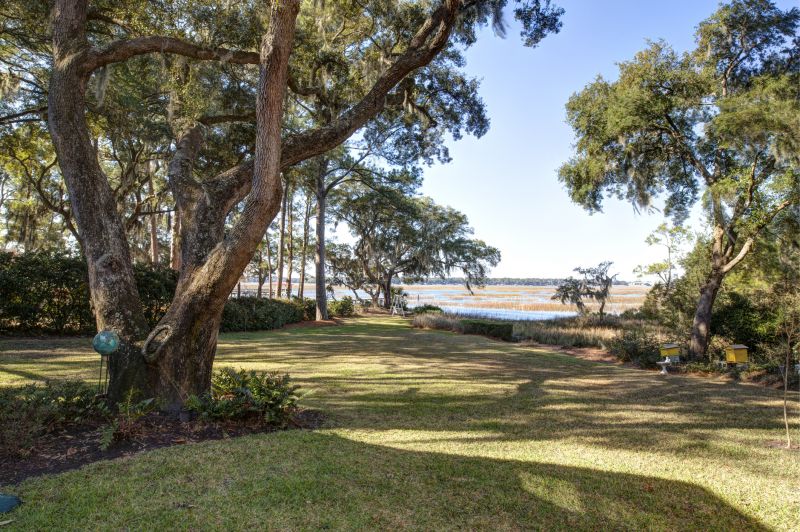

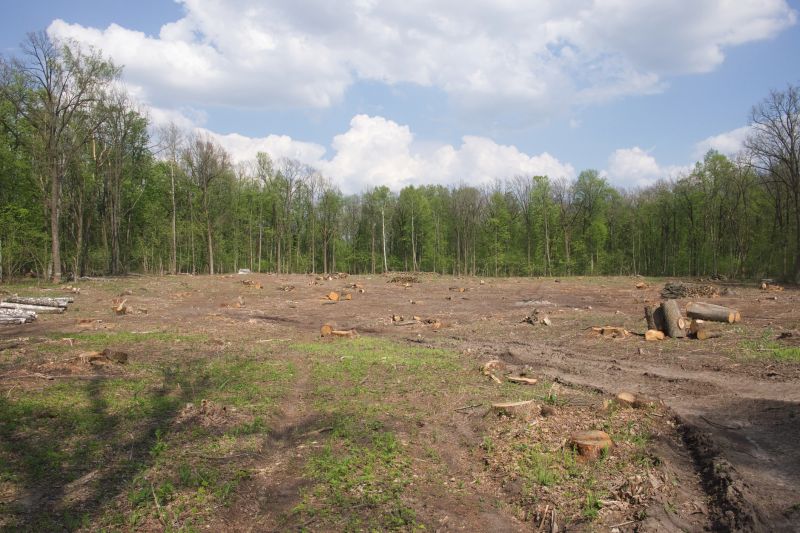
Forestry clearing services involve the removal of trees, shrubs, and other vegetation from a property to create open space or improve land usability. These services typically include the careful cutting, trimming, and removal of unwanted or overgrown plant life, often utilizing specialized equipment to handle large or difficult trees. The goal is to clear the land efficiently while minimizing damage to the remaining landscape, making it suitable for a variety of future uses such as construction, farming, or recreational activities.
This type of service helps address a range of land management problems. Overgrown vegetation can obstruct views, hinder property development, or create safety hazards such as falling branches or unstable trees. In some cases, trees may be diseased or dead, posing a risk to nearby structures or people. Forestry clearing can also help control pests and invasive species that threaten the health of remaining plants. By clearing problematic vegetation, property owners can improve safety, enhance aesthetics, and prepare the land for new projects or natural regeneration.
Properties that typically utilize forestry clearing services include rural landholdings, farms, large residential estates, and commercial properties with extensive wooded areas. Landowners planning to build new structures or roads often need clearing to meet zoning or planning requirements. Additionally, those managing forested land for agriculture or conservation may seek clearing to promote healthier growth or to remove hazardous trees. Forestry clearing is also common for parks, golf courses, and other recreational areas where maintaining open, accessible spaces is important.
Homeowners with overgrown yards or properties that have become difficult to maintain may also benefit from forestry clearing services. This is especially relevant if trees or thick brush are encroaching on structures, blocking sunlight, or creating fire hazards. Clearing can restore visibility, improve safety, and make outdoor spaces more usable and enjoyable. When vegetation has become a barrier to property development or regular maintenance, reaching out to local contractors can provide the professional assistance needed to manage and transform the land effectively.
The overview below groups typical Forestry Clearing projects into broad ranges so you can see how smaller, mid-sized, and larger jobs often compare in your area.
In many markets, a large share of routine jobs stays in the lower and middle ranges, while only a smaller percentage of projects moves into the highest bands when the work is more complex or site conditions are harder than average.
Small-Scale Clearing - typical costs range from $250 to $600 for many smaller jobs, such as clearing overgrown patches or trimming select trees. Many routine projects fall within this middle range, with fewer jobs reaching the higher end. Local contractors can often handle these efficiently and affordably.
Medium-Sized Projects - clearing larger areas like small forests or extensive brush can cost between $1,000 and $3,000. These projects are common and usually involve moderate equipment and labor. Costs can vary based on site size and tree density.
Large-Scale Clearing - extensive land clearing for development or agriculture often ranges from $3,500 to $8,000 or more. Larger, more complex projects can reach $10,000+ depending on scope and terrain difficulty. Few projects push into these higher tiers regularly.
Full Land Reclamation - comprehensive clearing and restoration of large properties can exceed $15,000, especially if significant debris removal or grading is involved. These projects are less frequent and typically require detailed planning and extensive equipment.
Actual totals will depend on details like access to the work area, the scope of the project, and the materials selected, so use these as general starting points rather than exact figures.
Brush Removal Projects - Local contractors skilled in clearing overgrown brush and underbrush share techniques with forestry clearing, requiring similar tools and planning for efficient site preparation.
Stump Grinding Services - Stump grinding involves removing tree stumps, a task that often accompanies forestry clearing, utilizing comparable machinery and site assessment skills.
Land Grading and Excavation - Land grading projects involve reshaping terrain, which aligns with forestry clearing in planning and equipment use to prepare sites for development or planting.
Tree Removal and Trimming - Removing or trimming trees requires knowledge of tree behavior and the use of similar cutting tools as forestry clearing, making it a related service.
Invasive Species Removal - Clearing invasive plants involves site preparation and vegetation management skills similar to those used in forestry clearing projects.
Firebreak Construction - Creating firebreaks involves clearing vegetation to prevent fires, requiring planning and equipment comparable to forestry clearing services.
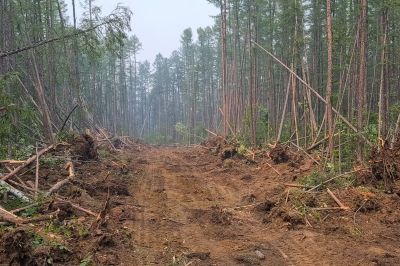
When selecting a contractor for forestry clearing, it’s important to consider their experience with similar projects. Homeowners should look for service providers who have a proven track record of handling forestry clearing tasks comparable in scope and complexity to the job at hand. Asking about past projects or requesting examples of completed work can help gauge their familiarity with the specific challenges involved, ensuring they have the practical know-how to manage the site effectively and safely.
Clear, written expectations are essential for a smooth working relationship. Homeowners should seek service providers who communicate their process, scope of work, and any necessary preparations in straightforward terms. Having detailed, written descriptions of what the project entails helps prevent misunderstandings and sets a clear foundation for the work to be done. This transparency supports a more efficient collaboration and provides a reference point for both parties throughout the project.
Reputable references and good communication are key indicators of a trustworthy forestry clearing contractor. Homeowners are encouraged to ask for references from previous clients who can attest to the contractor’s reliability and quality of work. Additionally, a service provider’s responsiveness and clarity in communication can make the project more manageable, as questions and concerns are addressed promptly and professionally. It’s important to remember that the site introduces homeowners to local options, which means these service providers are independent entities capable of handling the work, rather than the site performing or guaranteeing the services itself.
Property owners use Forestry Clearing services for practical projects around their homes and businesses. This guide focuses on everyday jobs and straightforward project options.
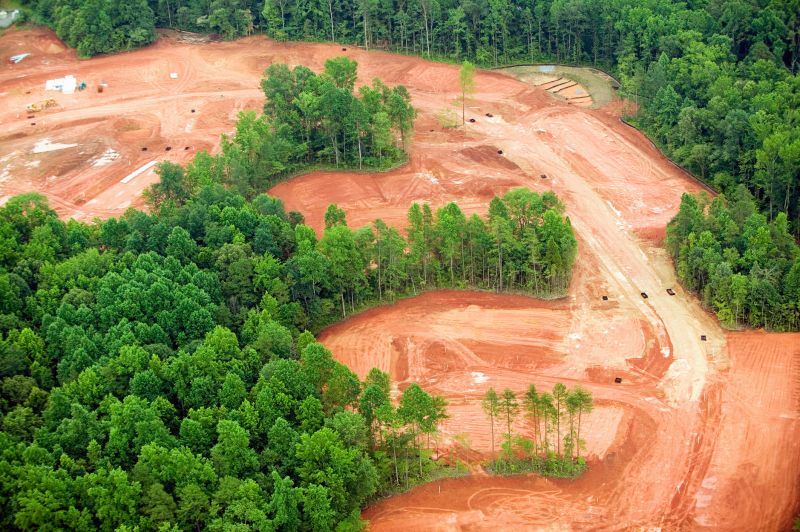
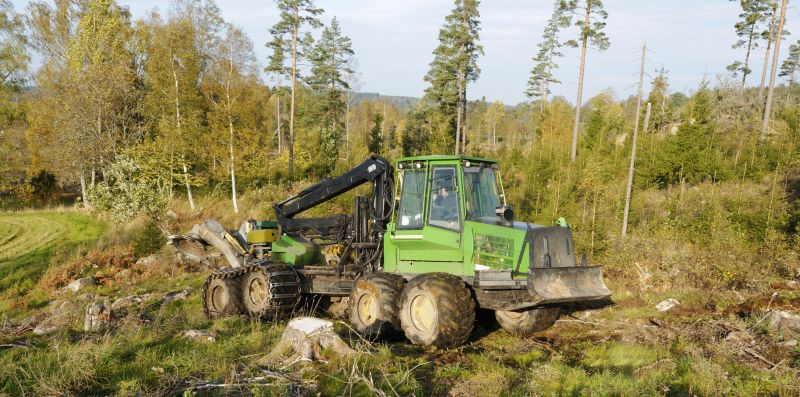
Forestry clearing services are often needed when property owners want to clear land for development, farming, or recreational use. Whether preparing a site for new construction, removing overgrown brush, or managing dense woodland areas, local contractors can provide the expertise and equipment necessary to handle these projects efficiently. Property owners may seek out these services to improve safety, reduce fire risk, or create more open space on their land.
In addition, forestry clearing can be essential for property maintenance and land management. Clearing out unwanted trees, shrubs, or fallen debris helps maintain clear boundaries and prevents overgrowth that can damage structures or hinder access. Local service providers are equipped to assist with a variety of land clearing needs, making it easier for property owners to keep their land safe, accessible, and well-maintained.
What is forestry clearing? Forestry clearing involves removing trees and vegetation to prepare land for development, agriculture, or other purposes, typically handled by experienced contractors in the area.
Why should I hire a professional for forestry clearing? Professionals have the necessary equipment and expertise to perform the work safely and efficiently, ensuring the land is cleared according to your needs.
What types of land can be cleared? Local contractors can clear various types of land, including residential lots, commercial properties, farmland, and wooded areas.
How do contractors handle tree removal and disposal? Service providers typically use specialized machinery to cut and remove trees, then dispose of or recycle the debris as part of their clearing process.
What should I consider before starting forestry clearing? It's important to assess land access, any local regulations, and your specific clearing goals when planning to work with local service providers.
Land Clearing for New Landscaping - Property owners can prepare their land for new gardens, lawns, or outdoor features by removing trees and brush.
Creating Firebreaks or Safety Zones - Clearing sections of land can help reduce fire hazards and improve safety around residential or commercial properties.
Enhancing Property Views - Removing obstructive trees and vegetation can open up scenic views and improve the overall appearance of a property.
Preparing Land for Construction Projects - Clearing a site ensures a smooth foundation for building new structures or expanding existing facilities.
If you are thinking about Forestry Clearing for a property, this guide is meant to help you understand the work, the typical project types, and how different options might fit your plans.
When you are ready, you can use the quote form on this page to share a few details about your project. From there, local pros can review the basics and respond with options that match what you have in mind.